ISEA ISAP 2026

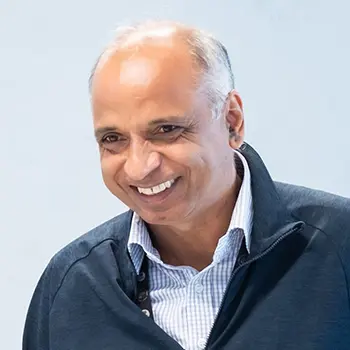
Dr. Surya Nepal

Senior Principal Research Scientist,
CSIRO Data61, Australia

Collaborative Intelligence for Cybersecurity

Day 2 (Saturday, 17 Jan 2026) | 2:30 PM, TTJ Auditorium

Security Operations Centres (SOCs) have been established in organisations to defend against evolving cyber threats. Their primary function is to serve as central hubs for detecting, analysing, and promptly responding to cyber incidents. However, SOCs face a growing challenge known as alert fatigue, where the overwhelming number of alerts can lead to critical threats being overlooked. Recently, there has been an increasing call to utilise artificial intelligence, particularly large language models, to address this issue. The aim is either to automate the tasks performed by security analysts in SOCs or to augment their work to enhance productivity. In this presentation, we argue for moving beyond simple automation and augmentation. Instead, we advocate developing tools and technologies that enable collaborative intelligence (CINTEL), where humans and AI work together, leveraging their complementary strengths and compensating for each other’s weaknesses. The rapid advances in AI and the growing integration of AI-enabled tools within SOCs provide a compelling argument for implementing CINTEL in the SOC environment. This talk will present our vision and research outcomes from the CINTEL for Cybersecurity project.


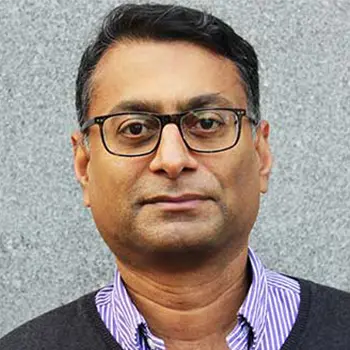
Prof. Muttukrishnan Rajarajan

Deputy Head of Engineering
Co-Director, Centre for Online Harm, Safeguarding, Privacy and Identity (COSPI)
Co-Founder, Cyber London

Translating Cybersecurity Security Research & Innovation to Commercialisation – Ideas-to-Market

Day 2 (Saturday, 17 Jan 2026) | 11:30am, TTJ Auditorium

This talk will discuss many of the current trends in cybersecurity research and demonstrate the steps involved in taking blue sky research into commercialisation. Both in the startup world and in large corporations and government organisations. The talk will highlight some interesting research in AI, ML, continuous authentication, IoT security, next-generation identity management and post-quantum security. We will go through some of the practical system-level challenges for the corporates and governments across the globe and align the research with the future needs of society to make it more safe and secure so that we can all confidently transact, trade and collaborate in the digital economy.

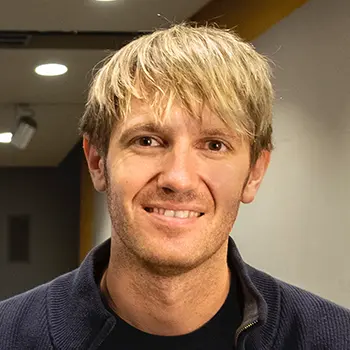
Prof. Dr. Frank Breitinger

Chair for Cybersecurity,
University of Augsburg, Institute of Computer Science

AI and Forensics: Where We Are and the Shape of What’s Next

Day 2 (Saturday, 17 Jan 2026) | 10:00 am, TTJ Auditorium

Artificial intelligence is already influencing forensic work today, but the distinction between practical reality and hype remains a challenge. This keynote begins by examining what AI actually does in forensic investigations today, highlighting where it offers added value and where its limitations are most apparent. It then uses case studies that highlight both its opportunities and pitfalls to examine whether large language models (LLMs) really represent a breakthrough for digital forensics. Building on this, the keynote outlines a short-term vision of how AI could support forensic scientists more effectively by complementing human expertise rather than replacing it. The presentation concludes with a discussion of the way forward, focusing on how the forensics community can use AI responsibly through validation, transparency, and continuous human oversight.

Scroll to Top